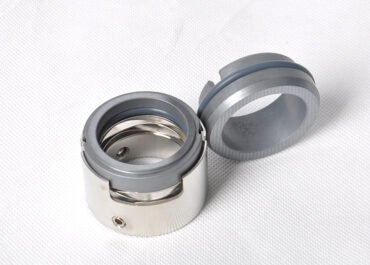
Silicon Carbide Seal Face for Mechanical Seals
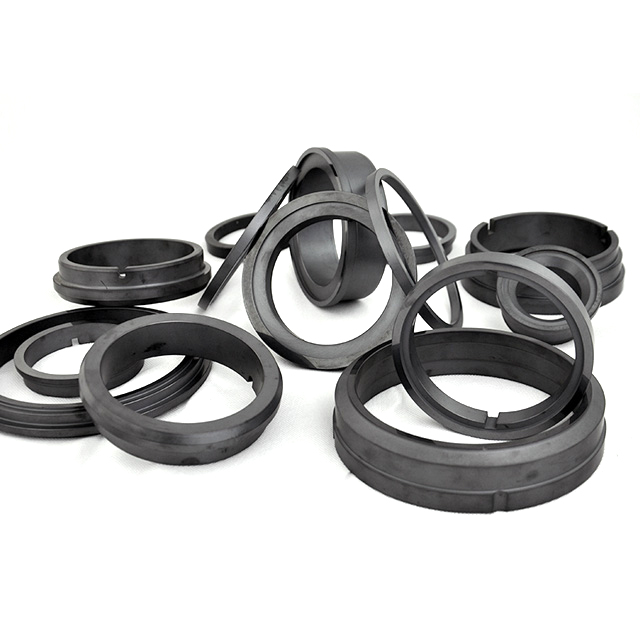
A silicon carbide seal face is a hard, corrosion-resistant mechanical seal face material used in pumps, mixers, agitators, and other rotating equipment. It is often selected when the liquid contains abrasive particles, corrosive chemicals, seawater, slurry, or high-temperature process media.
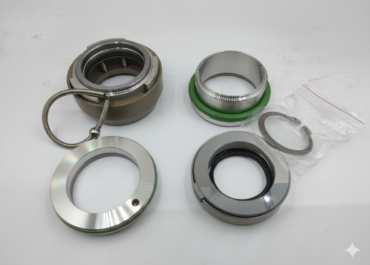
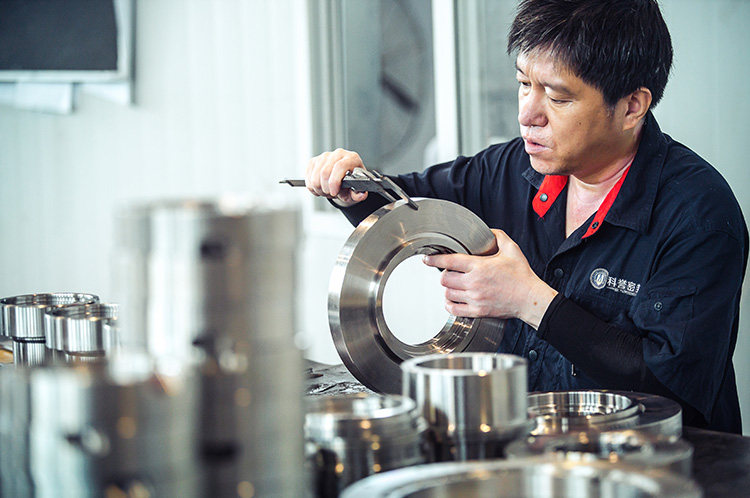
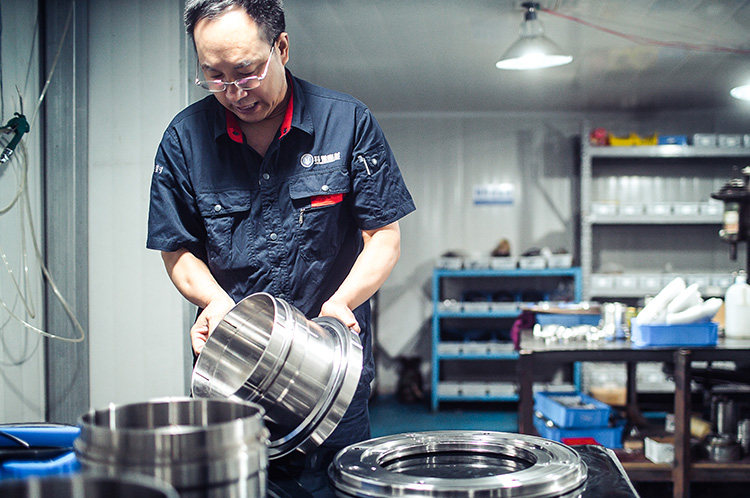
Fluid Tech Service supplies customized SIC seal faces, silicon carbide seal rings, stationary seats, rotary faces, and mating rings according to drawings, samples, pump models, or mechanical seal assembly dimensions.
What is a silicon carbide seal face?
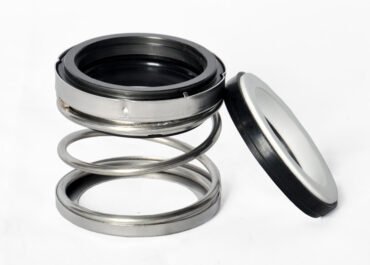
In a mechanical seal, the primary sealing area is created by two precision-lapped faces: one rotating face and one stationary face. Silicon carbide can be used for one or both of these faces. The two faces run against each other with a thin fluid film between them, helping control leakage around the pump shaft.
Because silicon carbide has high hardness, good thermal conductivity, low friction characteristics, and strong chemical resistance, it is widely used as a hard face material in demanding mechanical seal applications.
Why use silicon carbide for mechanical seals?
- High hardness helps resist abrasive wear from particles and slurry.
- Good corrosion resistance makes it suitable for many chemical and seawater services.
- High thermal conductivity helps move heat away from the seal face contact area.
- Low friction properties support stable operation when the seal is correctly selected and lubricated.
- Light weight compared with tungsten carbide can be useful in some rotating seal designs.
- It can be manufactured into rings, seats, sleeves, bushings, and special shapes according to drawings.
SSiC vs RBSiC seal face materials
Material | Key features | Typical use |
Sintered silicon carbide (SSiC) | High purity, no free silicon, excellent corrosion resistance, suitable for many aggressive chemicals. | Chemical pumps, seawater, corrosive media, high-purity or demanding applications. |
Reaction bonded silicon carbide (RBSiC / SiSiC) | Contains free silicon, good wear resistance, economical, widely used in abrasive service. | General industrial pumps, slurry with moderate corrosion, water treatment, sewage, and many standard seals. |
Material selection should be confirmed according to the liquid, concentration, temperature, pressure, solids content, and mating face material. For example, reaction bonded silicon carbide is not normally preferred for strong caustic or media that attack free silicon.
Common applications
- Chemical process pumps
- Seawater pumps and marine pumps
- Sewage and wastewater pumps
- Paper pulp and slurry pumps
- Mining and power plant slurry service
- Food, beverage, and pharmaceutical process equipment where compatible
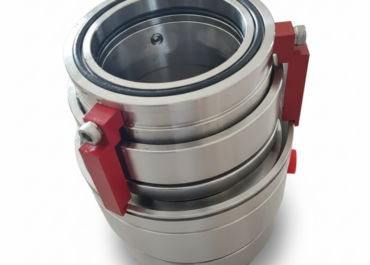
- Mixer and agitator mechanical seals
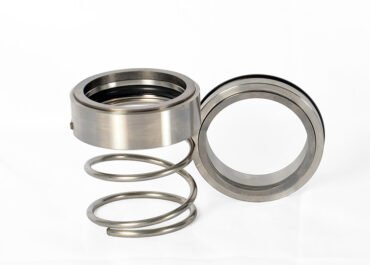
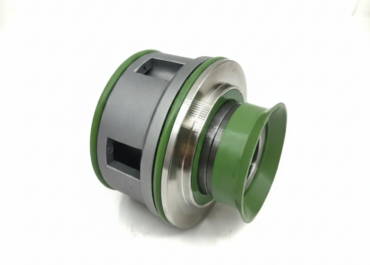
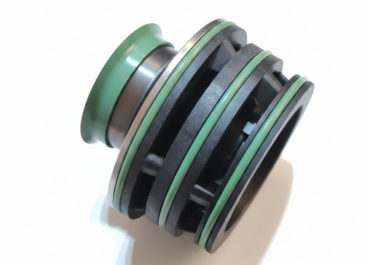
- Replacement mechanical seal parts for cartridge and component seals
Available customized shapes
Silicon carbide seal faces can be produced according to customer drawings or samples. Common forms include flat seal rings, stepped rings, stationary seats, rotary seal faces, grooved faces, slots, anti-rotation notches, drive holes, O-ring grooves, and special profiles.
Common customization details include:
- Outer diameter, inner diameter, and thickness
- Lapping surface flatness and finish requirements
- O-ring groove dimensions
- Slot, notch, pin hole, and drive feature location
- Chamfer or radius requirements
- Material grade: SSiC or RBSiC
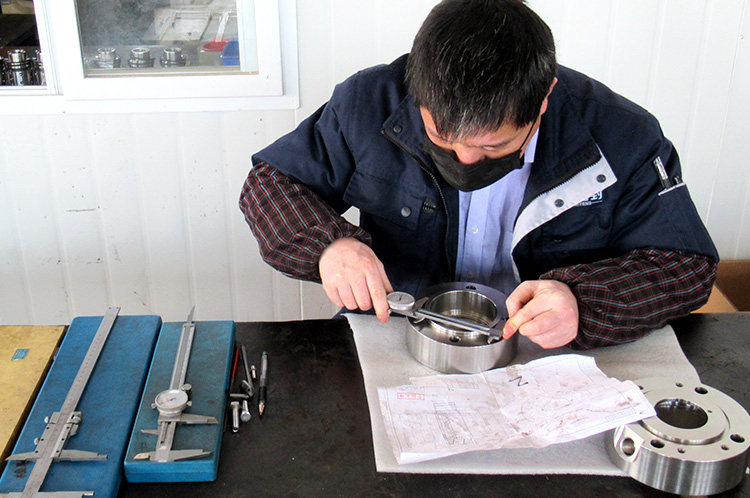
- Quantity and inspection requirements
Silicon carbide face combinations
Face combination | Best for | Notes |
Carbon vs SIC | Clean water, light chemical service, many standard pumps. | Carbon provides self-lubricating behavior; avoid heavy solids unless confirmed. |
SIC vs SIC | Abrasive, corrosive, crystallizing, or particle-containing media. | Common hard-vs-hard combination; needs stable lubrication and correct operating conditions. |
Tungsten carbide vs SIC | Applications needing toughness plus corrosion/wear balance. | Confirm corrosion compatibility and pressure/speed limits. |
Selection guide
Before choosing a silicon carbide seal face, confirm these operating conditions:
- Liquid name, concentration, and pH
- Operating temperature and pressure
- Shaft speed and seal size
- Solids content, particle size, and abrasiveness
- Whether the seal may run dry or experience vaporization
- Mating face material
- Secondary seal material such as NBR, EPDM, FKM, PTFE, or graphite
- Flush plan, cooling method, or barrier fluid system if used
If the pump handles abrasive or corrosive media, SIC vs SIC is often considered. For cleaner water or light-duty service, carbon vs SIC may provide good lubrication and lower running friction. The final choice should match the actual pump condition.
Information needed for quotation
To quote or manufacture a customized SIC seal face, please provide:
- Drawing with dimensions and tolerances, or a clear sample photo with measured size
- Material requirement: SSiC, RBSiC, or unknown for recommendation
- Outer diameter, inner diameter, thickness, and working face width
- Groove, slot, notch, and drive hole details
- Application media and temperature
- Quantity required
- Mechanical seal model, pump model, or existing part number if available
About Fluid Tech Service
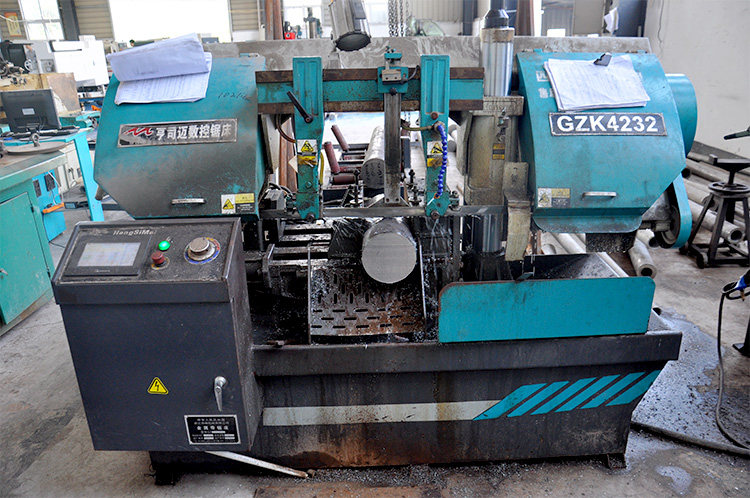
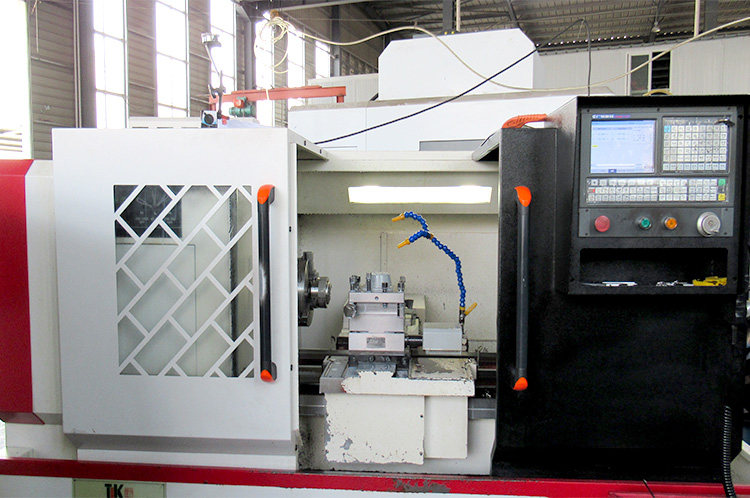
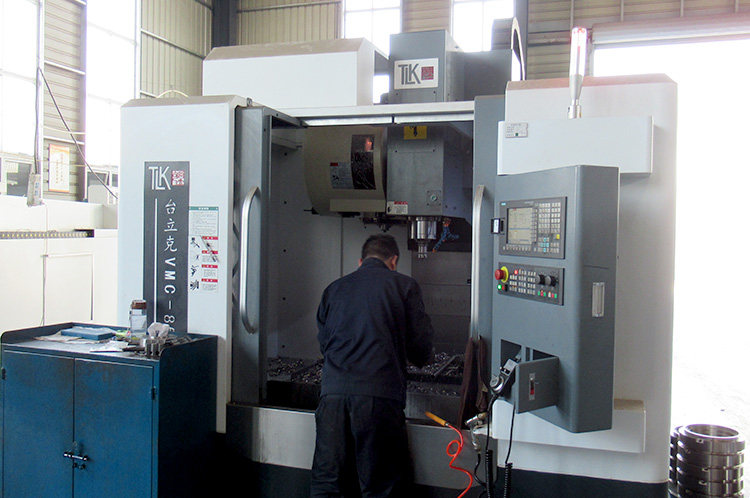
Fluid Tech Service focuses on mechanical seals, seal spare parts, pump seal solutions, and customized seal components. We can help review drawings, confirm material options, and supply replacement silicon carbide seal faces for industrial pump applications.
For a quick quotation, send your drawing, sample photos, material request, quantity, and working condition by email or WhatsApp.